Gimbal vs Shoulder Rig: Which One Your Shots Actually Need
Short answer
A gimbal removes rotational shake and makes walking shots viewable; a shoulder rig removes small tremor and arm fatigue while keeping the camera coupled to your body. Buy the gimbal if your shots move with a subject, the shoulder rig if your rig is over about 5 lb and your movement is deliberate. Neither removes the vertical bounce of walking.
These two are sold as alternatives and they solve different problems. A DJI RS 4 removes rotation, which is what makes a walking shot watchable. A SmallRig Classic Shoulder Rig Kit removes tremor and fatigue while keeping the camera coupled to you, which is what gives handheld its deliberate quality. Neither removes the vertical bounce of your stride, and a lot of buyers are actually shopping for that.
What each one actually removes
A three axis gimbal corrects pan, tilt and roll. Those are rotations, and rotation is what makes handheld footage feel unstable, because a small angular error at the camera translates into a large movement at the edge of frame. Correcting rotation is what makes a walking shot look like a dolly move rather than a chase.
A shoulder rig corrects nothing mechanically. What it does is give your body a third contact point and move the load onto your skeleton, so the small tremor from unsupported arms disappears and the take can last longer than your forearms would otherwise allow.
Neither corrects translation. The up and down movement of your body as you walk passes straight through a gimbal, because it is not a rotation, and passes through a shoulder rig because the rig is rigidly attached to your shoulder. That is the single most common disappointment in this category, and the fix for it is either technique or a spring-arm support system.
The comparison
| Gimbal | Shoulder rig | |
|---|---|---|
| Removes | Pan, tilt and roll shake | Small tremor and arm fatigue |
| Does not remove | Vertical bounce from walking | Vertical bounce from walking |
| Setup time | Balancing, several minutes per load change | None once configured |
| Weight added | 1.1 to 1.5 kg | 0.9 to 1.4 kg |
| Typical cost | $200 to $1,100 | $100 to $290 |
| Deploy speed | Slow. It must be balanced first | Instant |
| Works with a matte box | Poorly. Mass high and forward | Yes, this is what rods are for |
| Look it produces | Floating, detached, smooth | Present, deliberate, alive |
| Best shot | Moving with a subject | Static or slow handheld on a heavy rig |
The look row is the one that gets least discussion and matters most. Gimbal footage reads as detached and floating, which is right for an establishing move and wrong for an intimate interview. Shoulder-mounted handheld reads as present, which is why observational documentary uses it deliberately rather than as a limitation.
Choose by the shot, not by the camera
If the camera is moving with a subject who is walking, the gimbal wins and there is no close second. Nothing else makes that shot usable, and it is a shot that appears in almost every piece of modern documentary and commercial work.
If the camera is static or moving slowly and the rig is heavy, the shoulder rig wins. It deploys instantly, needs no rebalancing after a lens change, works with rods and a matte box, and produces footage that reads as intentional handheld rather than as an attempt at stability.
If the shot is on a tripod, neither is relevant, and this is worth stating because a lot of people buy a gimbal for work that is mostly interviews and product. The starter builds on this site contain neither, deliberately.
Both, and the thing that solves the bounce
$170 to $1,299. A 3 kg gimbal, a shoulder rig, and a spring-arm support system that absorbs the vertical travel neither of the others touches.

DJI
DJI RS 4
The 3 kg workhorse, with second-generation axis locks and a teflon-coated tilt arm so rebalancing after a lens change takes seconds rather than minutes.
- Rated payload
- 3 kg / 6.6 lb
- Focus motor
- Optional
The pick for most mirrorless documentary rigs.
Check price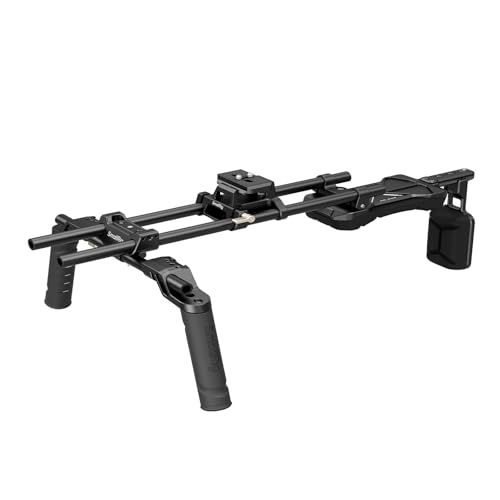
SMALLRIG
SmallRig Classic Shoulder Rig Kit
A 2.98 lb rig with proper counterbalance behind the shoulder, and rear weight is what actually makes handheld steady rather than merely heavy.
- Weight
- 2.98 lb
The value pick for documentary handheld.
Check price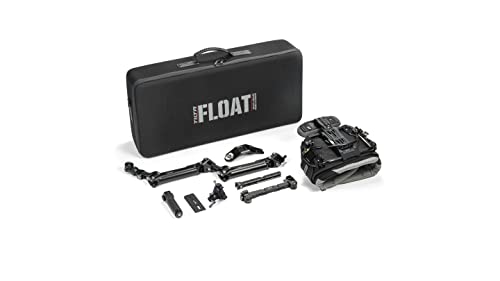
Tilta
Tilta Float Dual Handle Support System
A spring-arm and vest system that takes a heavy build off the shoulder entirely, which is how a long handheld day stops ending in back pain.
- Type
- Arm and vest
Expensive, and transformative for long days.
Check priceThe hidden costs
The gimbal's hidden cost is balancing. Every lens change, every filter, every cable reroute means rebalancing, and that ritual is the reason gimbals end up in cases. The mitigation is standardising on one lens for gimbal work and marking the plate positions with tape, which turns a five minute job into twenty seconds.
The shoulder rig's hidden cost is bulk. It does not collapse, it does not fit in a small bag, and it takes up more space in a car than the camera does. On a travel shoot that is a real constraint that nobody mentions in a review.
Both have a fatigue cost. A gimbal held out in front of you is roughly twenty minutes for most people before the shots deteriorate, which is why a Tilta Lightweight Dual Handle Gimbal Support or a Tilta Lightweight Gimbal Support Vest appears on any serious gimbal kit. A shoulder rig lasts longer but transfers load into your neck and lower back, which is a different and slower problem.
What about in-body stabilisation
Modern in-body stabilisation is genuinely good at wide focal lengths and slow movement, and it costs nothing in weight or setup. A 24mm lens, IBIS on, and a deliberate walk produces footage that many viewers cannot distinguish from a stabilised shot.
It stops being enough at longer focal lengths, where small angular errors are magnified, and on fast direction changes, where the correction system runs out of range and the frame drifts as it recentres. Electronic stabilisation shows these artefacts more than sensor-shift does, and it also crops the frame.
The practical answer for a lot of people is that IBIS plus technique covers more shots than they expect, and the gimbal purchase can wait until a specific job demands it. That is not an argument against gimbals, it is an argument against buying one first.
The verdict
- Walking with a subject, or any moving shot at all: gimbal, in the 3 kg class if your rig is a caged full frame body.
- Heavy rig, deliberate handheld, observational work: shoulder rig, and add a rear battery as counterweight.
- Light rig, static shots, fast documentary: neither. A top handle and technique is steadier and faster.
- Narrative work with rods and a matte box: shoulder rig, because a gimbal cannot carry that build sensibly.
- All-day gimbal operating: gimbal plus a support vest, because fatigue is the real limit rather than stabilisation.
- Walking shots where the bounce is the problem: a spring-arm support system, which is the only thing that addresses it.
A lot of working kits carry both, and that is not indecision. They do different jobs, they cost different amounts, and a gimbal for movement plus a shoulder rig for everything else is a coherent kit rather than a compromise.
Next, from here
- Best gimbals
Payload classes and balancing reality.
- Best shoulder rigs
Pads, grips and rear counterweight.
- Handheld shooting guide
The free version of both.
- Gimbal payload calculator
Whether your rig even fits.
- How to balance a gimbal
The hidden cost, minimised.
- Run and gun working build
Where movement gear first appears.
Common questions
- Does a gimbal or a shoulder rig give steadier footage?
- A gimbal removes rotational shake entirely, which is what makes walking shots viewable, so it is steadier for moving shots. A shoulder rig removes small tremor and fatigue while keeping the camera coupled to your body, which produces footage that reads as deliberate handheld. Neither removes the vertical bounce of your stride, which is the thing many buyers are actually trying to fix.
- Can I use a shoulder rig with a gimbal?
- No, they are incompatible approaches and there is no sensible way to mount one to the other. A gimbal deliberately decouples the camera from your body, which is the opposite of what a shoulder rig does. For gimbal fatigue, what you want is a dual handle so both arms share the load, or a support vest that transfers the mass to your hips.
- Which is better for documentary work?
- Both appear in working documentary kits because they cover different shots. A gimbal for moving with a subject, a shoulder rig for observational handheld on a heavy build. If you can only have one and your work is reactive, the shoulder rig deploys instantly while a gimbal has to be balanced first, and deployment speed beats stabilisation quality when the moment will not wait.
- Do I need either if my camera has in-body stabilisation?
- Often not, at wide focal lengths with slow deliberate movement. Modern in-body stabilisation plus a 24mm lens produces footage many viewers cannot distinguish from a stabilised shot, with no weight and no setup. It runs out at longer focal lengths and on fast direction changes, where the correction reaches its range limit and the frame drifts as it recentres.
- What weight does each one suit?
- A gimbal wants the lightest rig you can build, since mass is a payload cost and the working limit is 70 to 80 percent of the rating. A shoulder rig wants a rig over about 5 lb, because below that a top handle held close to the body is steadier and packs smaller. That is one of several reasons stabilised and handheld builds diverge.
- Why do my walking shots still bounce on a gimbal?
- Because a three axis gimbal corrects rotation and the up-and-down movement of your stride is a translation, which passes straight through. The fixes are physical: bend your knees, roll heel to toe and take shorter steps, or use a spring-arm support system, which is the only equipment category that actually absorbs vertical travel.
Totalling your own rig weight against your gimbal payload? The Camera Rig Build Planner is the paid version of these pages: 8 printable worksheets you fill in with your own numbers, plus the full PDF, $29.