Best Cinema Cameras in 2026
Short answer
The best cinema camera for a solo documentary shooter is the Sony FX3 at around $4,298, because active cooling, an XLR handle in the box and dependable autofocus let one person cover a job that would otherwise take two. For narrative work on a budget, the Blackmagic Pocket Cinema Camera 6K G2 at $2,269 buys the most gradeable image per dollar of anything on the market.
Camera bodies get chosen on sensor specifications and lived with on rigging specifications. The Sony FX3 at around $4,298 is the pick for solo documentary work because cooling, audio and autofocus are the three things that decide whether one person can cover a job. For narrative, the Blackmagic Pocket Cinema Camera 6K G2 at $2,269 buys internal BRAW and a Super 35 sensor for a fraction of the price, at the cost of autofocus and real power planning.
The specifications that change how you rig
Internal ND is first, and it is undervalued in every camera comparison. A body with built-in ND filters, like the Canon EOS C70 and the Blackmagic Pocket Cinema Camera 6K Pro, removes the need for a variable ND on every lens, removes the vignetting risk on wide lenses, and removes an entire category of front-of-lens rigging. That is worth several hundred dollars and a real amount of setup time.
Audio inputs are second. A body with XLR inputs or a supplied XLR handle records usable dual-channel sound without a separate recorder, which on a documentary shoot means one fewer device to power, sync and offload. The FX3 and FX30 both ship with that handle, and it is a larger part of their appeal than the sensor is.
Cooling is third. A body with a fan records for hours; a body without one stops when it decides to. Media format is fourth, because CFexpress Type A costs substantially more per gigabyte than Type B and an SSD-recording body costs least of all. Power is fifth, and it decides whether you are buying camera batteries forever or building a V-mount system once.
Under $2,000
$1,798 to $1,997. Three bodies with genuinely good internal codecs, where the money not spent on the camera goes into glass and light.

Sony
Sony FX30
The Super 35 version of the FX3 body, with the same cage ecosystem, the same XLR handle and the same Type A media requirement.
- Sensor
- Super 35
- Media
- CFexpress Type A / SD
Panasonic
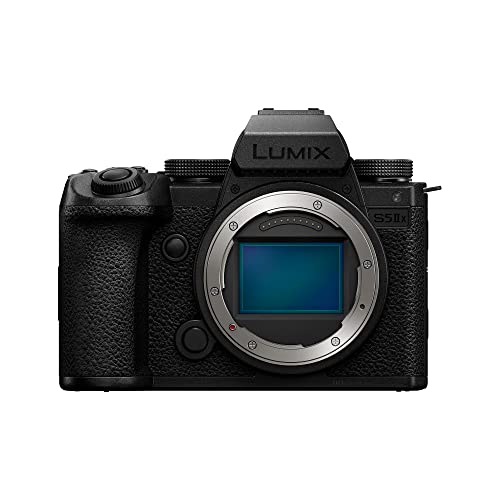
Panasonic Lumix S5IIX
Unlimited recording with internal ProRes and external RAW over HDMI, which is the most video capability per dollar in a full frame hybrid.
- Codec
- Internal ProRes

Nikon
Nikon Z6 III
6K 60p internal N-RAW from a partially stacked sensor, which is an unusual amount of video capability at this price.
- Codec
- Internal N-RAW
Sensor size, and why it matters less than the marketing implies
Full frame buys roughly a stop of low light performance and a shallower depth of field at the same field of view. Super 35 is the classic cinema frame, needs smaller and cheaper lenses, and is what most cine glass is designed to cover. Micro Four Thirds goes further in that direction, with the smallest and cheapest lenses of all.
Shallower depth of field is not automatically better. On a documentary shoot a full frame sensor at f/1.8 gives you a focus plane so thin that a subject leaning forward goes soft, which is a real practical problem rather than an aesthetic one. Many working documentary shooters stop down to f/4 on full frame, which is roughly the depth of field they would have had wide open on Super 35 with a cheaper lens.
The honest summary: sensor size is a look and a lens-cost decision, not a quality decision. A well-lit Super 35 image beats a poorly lit full frame one every time, and the money saved on both body and lenses buys lighting that changes the image far more.
Comparing the bodies on what actually matters
| Body | Sensor | Internal ND | Media | Audio in |
|---|---|---|---|---|
| Sony FX3 | Full frame | No | CFexpress A or SD | XLR handle included |
| Sony FX30 | Super 35 | No | CFexpress A or SD | XLR handle included |
| Sony FX6 | Full frame | Yes, variable | CFexpress A or SD | XLR built in |
| Canon EOS C70 | Super 35 | Yes, 10 stops | SD dual slot | XLR built in |
| Canon EOS R5 C | Full frame | No | CFexpress B and SD | Mini XLR adapter |
| Blackmagic 6K Pro | Super 35 | Yes, 4 stops | CFast, SD or SSD | Mini XLR |
| Panasonic GH7 | Micro Four Thirds | No | CFexpress B and SD | XLR adapter |
| Fujifilm X-H2S | APS-C | No | CFexpress B and SD | XLR adapter |
Read that internal ND column carefully. Three of those bodies remove the single most common front-of-lens purchase, and two of them are among the cheapest on the list. Internal ND is worth more on a real shoot than a stop of sensor performance, and it almost never appears near the top of a camera comparison.
The full cine line
$3,199 to $4,298. Where cooling, real audio inputs and, on one of them, internal ND arrive together.

Sony
Sony FX3
Full frame with active cooling and a detachable XLR handle, which is why it is the default solo documentary body.
- Sensor
- Full frame
- Media
- CFexpress Type A / SD

Canon
Canon EOS R5 C
A 45 megapixel stills camera with a separate cinema operating system and internal RAW, which needs external power for its longest modes.
- Sensor
- Full frame 45 MP

Canon
Canon EOS C70
Super 35 dual gain output with built-in ND and two XLR inputs in an RF mount body, aimed at documentary crews of one or two.
- ND
- Built in
- Mount
- RF
The Blackmagic argument, honestly
The Blackmagic Pocket Cinema Camera 6K G2 at $2,269 and the Blackmagic Pocket Cinema Camera 6K Pro at $2,835 record BRAW internally to inexpensive media, which means a genuinely gradeable RAW workflow for less than the price of a monitor recorder added to a mirrorless body. On image quality per dollar, nothing competes.
What you give up is real. Autofocus is poor and should be considered absent. Battery life is short enough that a V-mount is effectively required rather than optional. The body has no meaningful stabilisation. And the media and storage costs of a RAW workflow are ongoing, not one-off.
That combination makes it an excellent narrative camera and a poor documentary one. On a set where focus is pulled manually, the camera is powered from a battery plate and the shot list is known, none of the drawbacks apply. On a reactive shoot, all of them apply at once. This is the clearest example on the site of two buyers whose advice inverts.
The Blackmagic path
$1,139 to $2,835. Internal RAW at prices where the whole rest of the rig can be afforded too.

Blackmagic Design
Blackmagic Pocket Cinema Camera 4K
The cheapest way into internal BRAW, on micro four thirds, and the body that most needs a rig to be usable at all.
- Mount
- Micro four thirds
- Codec
- BRAW

Blackmagic Design
Blackmagic Pocket Cinema Camera 6K G2
Super 35 with an EF mount and internal BRAW, at the cost of weak autofocus and a real power budget.
- Mount
- EF

Blackmagic Design
Blackmagic Pocket Cinema Camera 6K Pro
The 6K with built-in ND filters, which is the single feature that most reduces what has to hang off the front of the lens.
- ND
- Internal
What to spend on instead of a better body
If you are choosing between a $2,000 body with a $3,000 budget and a $4,000 body with a $1,000 budget, take the first one nearly every time. A thousand dollars of lighting, sound and monitoring changes footage more visibly than a sensor upgrade does, and it changes it on every single shot rather than only in difficult conditions.
The specific order that produces the biggest visible improvement: a way to judge exposure, a way to record clean dialogue, a way to power the rig all day, and one controllable light. That list is under $1,000 in total and it fixes the four things that actually make footage unusable.
Both build ladders on this site are constructed on that principle, which is why the starter tiers spend roughly half the budget on the body and the whole of the rest on everything else.
How we chose
These picks come from published sensor, codec, media, power and cooling specifications, stated audio input provisions, and verified owner reviews describing long-take behaviour and reliability. We did not have every one of these bodies in our hands and will not claim otherwise.
The criteria in order: does it have internal ND, what audio inputs it provides, how it handles heat on long takes, what media it needs and what that media costs, and how it takes power. Sensor size and resolution came last, because they change the look rather than deciding whether a job can be completed.
Next, from here
- Rig setups by camera
What each specific body actually needs bolted to it.
- Both complete build ladders
Six full builds with every line priced.
- Best camera cages
The first thing bolted to any of these bodies.
- Internal versus external recording
Whether your codec needs help.
- Best CFexpress cards
The ongoing cost of the media format you chose.
- Sensor size and crop factor chart
Every format and its lens equivalence.
Common questions
- What is the best cinema camera for a solo shooter?
- A body with active cooling, real audio inputs and dependable autofocus, because those three things decide whether one person can cover a job. The Sony FX3 at around $4,298 combines all three and includes a detachable XLR handle in the box. If the budget is half that, the FX30 is the same design in Super 35 and keeps the handle and the cooling.
- Is internal ND worth paying for?
- It is one of the most undervalued features in any camera comparison. Internal ND sits behind the lens, so it never vignettes, works identically on every lens you own, and removes a whole category of front-of-lens rigging along with a variable ND purchase for each thread size. On outdoor work it is worth more than a stop of sensor performance.
- Does full frame make a real difference for video?
- It buys roughly a stop of low light performance and a shallower depth of field at the same framing. Shallower is not automatically better: on full frame at f/1.8 the focus plane is thin enough that a subject leaning forward goes soft, which is a practical problem. Many documentary shooters stop down to f/4, which is close to what Super 35 gives wide open with cheaper glass.
- Should I buy a Blackmagic camera?
- For narrative work, it is the strongest image per dollar available, because internal BRAW to inexpensive media gives a gradeable RAW workflow at a mirrorless price. For documentary work it is a poor choice: autofocus is effectively absent, battery life demands a V-mount, and stabilisation is minimal. It is the clearest case of a camera whose value depends entirely on which kind of shoot you do.
- How much of my budget should go on the camera body?
- Around half at the starter tier, and less as the budget grows. Given a choice between a $2,000 body with $3,000 for everything else, or a $4,000 body with $1,000, take the first one almost every time. Exposure monitoring, clean sound, all-day power and one controllable light cost under $1,000 together and fix the four things that actually make footage unusable.
- What camera specification matters most for rigging?
- Media format and power, because both are ongoing costs rather than one-off ones. CFexpress Type A costs substantially more per gigabyte than Type B, and a body that records to an external SSD costs least of all. Power decides whether you buy proprietary camera batteries forever or build one V-mount system that runs the whole rig. Neither appears near the top of most camera reviews.
Totalling your own rig weight against your gimbal payload? The Camera Rig Build Planner is the paid version of these pages: 8 printable worksheets you fill in with your own numbers, plus the full PDF, $29.